
Landscape & Excavation in Little Falls, MN
Local Landscaper Expertise
Along the Mississippi River in Little Falls, MN, landscape and excavation projects demand expertise rooted in local soil conditions, drainage patterns, and seasonal freeze-thaw cycles. This page covers what landscapers and excavating contractors do, how to navigate permits, and why proximity to contractors familiar with this river valley matters for your paver patios, retaining walls, site grading, and drainage systems.
How We Work
A clear process from planning through completion
What's Involved in a Hardscape or Excavation Project
Hardscaping and site work unfold in overlapping phases. Most projects in Little Falls start with site assessment—checking drainage, soil depth, and ground stability—especially near floodplain areas. Here's what to expect:
Site Assessment & Planning
Measure terrain, review drainage, identify soil type, and confirm permit requirements. Little Falls sites often include clay and silt layers; understanding them prevents settling.
Permits & Approvals
Contractors submit zoning and building permits through City of Little Falls Building Department. Retaining walls, drainage systems, and grading often require inspection before work begins.
Excavation & Prep
Remove topsoil, grade the area, and establish proper slope for drainage. In Little Falls' river valley, controlling water runoff is critical to prevent frost heave in winter.
Install Base & Materials
Lay compacted base, sand, gravel, or stone. Proper base depth prevents settling and keeps pavers level through Minnesota's wet springs and fall rains.
Hardscape Installation
Place pavers, stone, or other hardscape elements. Each piece is set to exact grade for stability and water drainage away from structures.
Finish & Inspection
Compact joints, sweep surfaces, verify drainage, and pass final inspection. Little Falls Building Department confirms all code compliance before sign-off.
You'll always know what's happening next—and when.
Understanding Permits in Little Falls
The Minnesota State Building Code requires an owner or authorized agent who intends to construct, enlarge, alter, repair, move, demolish, or change the occupancy of a building or structure to first obtain the required permit. For hardscape and landscape projects in Little Falls, the city has adopted the Minnesota State Building Code, and building division staff reviews building plans and permit applications, issues building permits, and conducts a wide range of field inspections to ensure compliance.
Common hardscape work—paver driveways, retaining walls, drainage systems—often requires a zoning permit and site plan review. The City of Little Falls has contracted with Sourcewell to provide zoning services; this department enforces the local zoning ordinance and reviews zoning variances and conditional use permits for consideration by the Planning Commission. Your contractor handles all paperwork.
Our Services
Hardscape and excavation solutions built for the Little Falls landscape
Paver Patio & Driveway Installation
Brick, concrete, and natural stone pavers create durable outdoor living spaces. In Little Falls' residential neighborhoods, patio pavers withstand spring thaw and freeze cycles when properly installed with correct base depth and drainage slope. Driveways handle heavy use and winter salt.
Whether near the Mississippi River valley or tree-lined streets in Bell Prairie, quality paver work adds curb appeal and resale value. We use materials rated for Minnesota's climate.
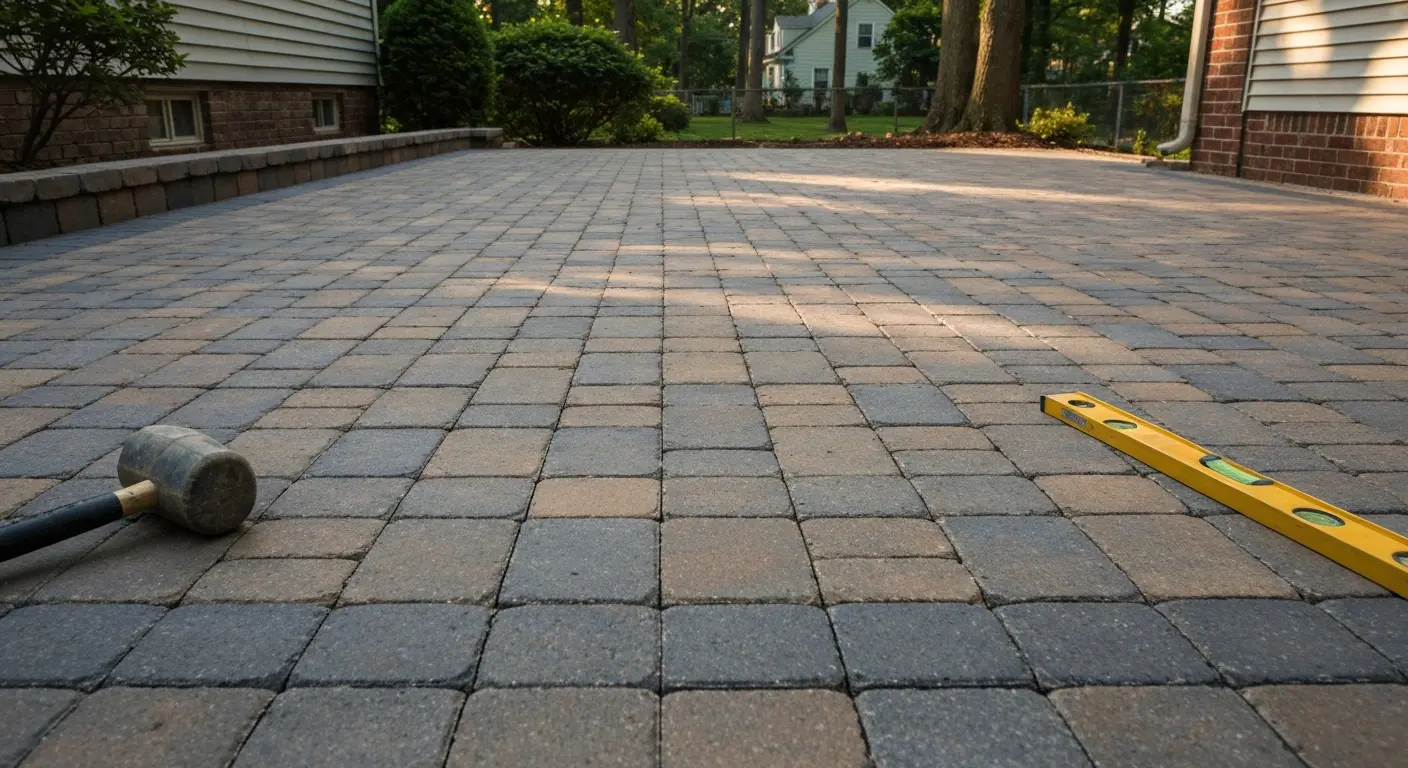
Custom paver patio installation in Little Falls residential area
Retaining Wall Installation
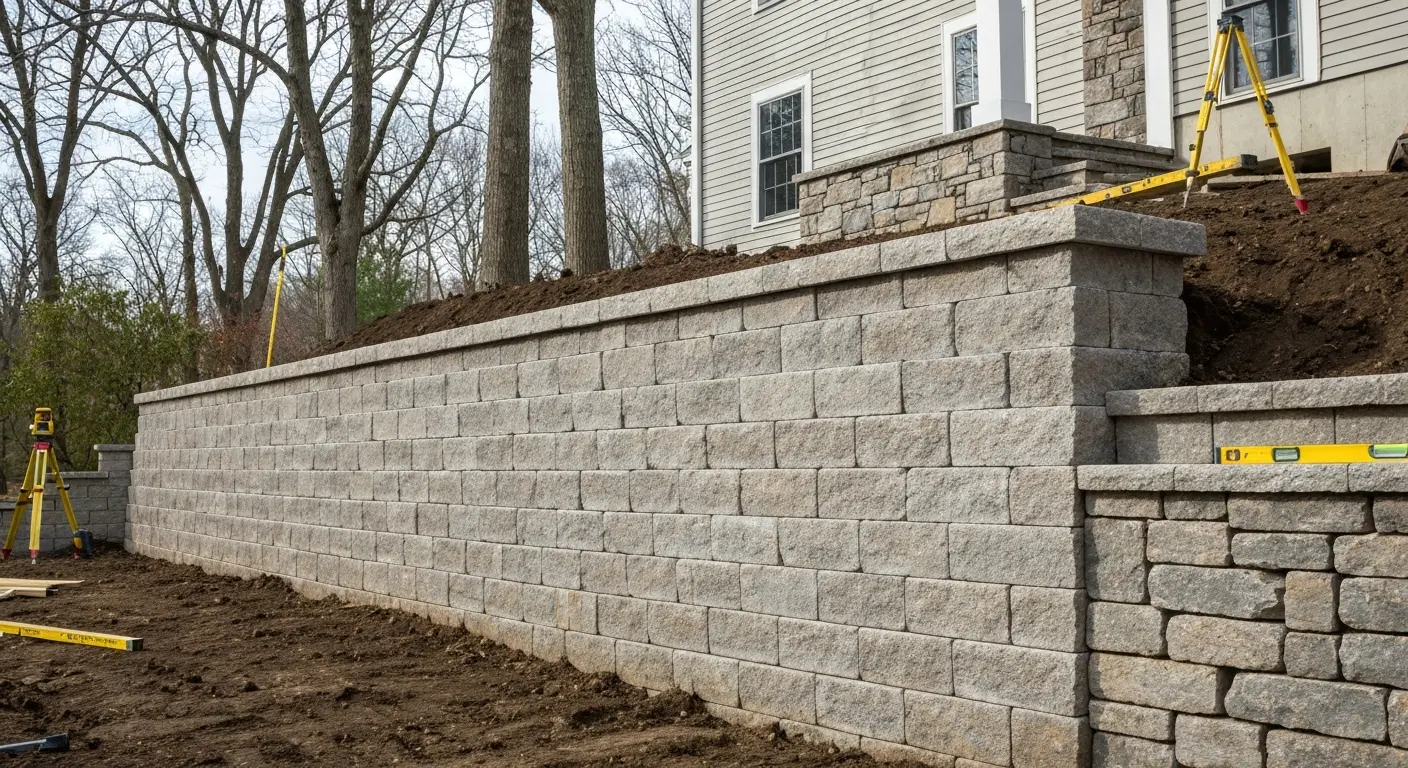
Engineered retaining wall managing slope on Little Falls property
Retaining walls prevent erosion, reclaim slope space, and add structure to yards. In Little Falls, proper drainage behind walls is essential—wet clay soils swell and shift with freeze-thaw cycles. Engineered walls manage both beauty and water.
Stone or segmental block walls serve commercial and residential properties. Step installations also create safer access on sloped terrain near parks and historical sites.
Site Grading & Drainage Systems
Proper grading diverts water away from structures and prevents pooling. Little Falls properties sit in a river valley where spring snowmelt and heavy rains test drainage every year. Correct slope—typically 1% to 2%—protects foundations and basements.
Underground drainage systems, French drains, and swales manage water before it reaches your home. Many properties near the Mississippi benefit from subsurface solutions that blend seamlessly into the landscape.
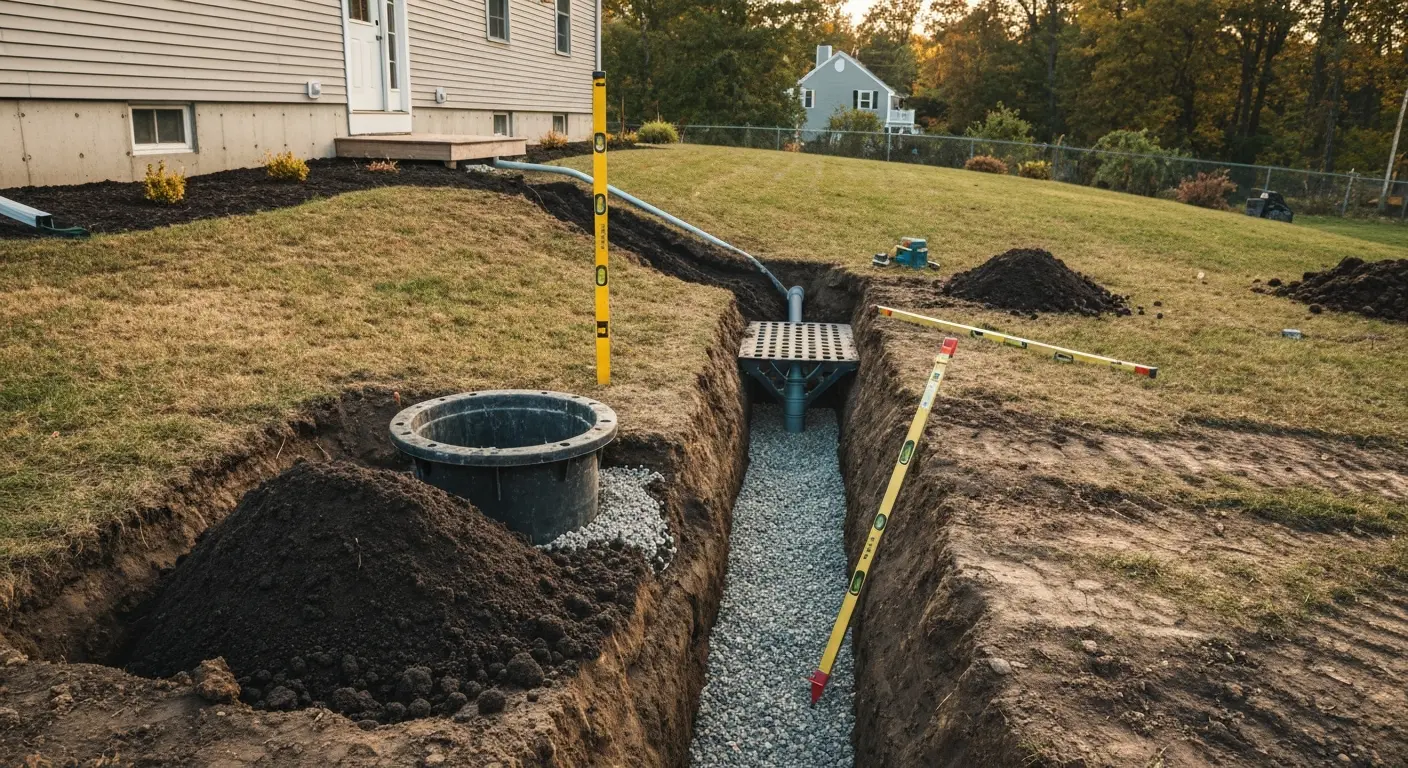
Drainage installation managing stormwater on Little Falls residential site
Excavation & Land Development
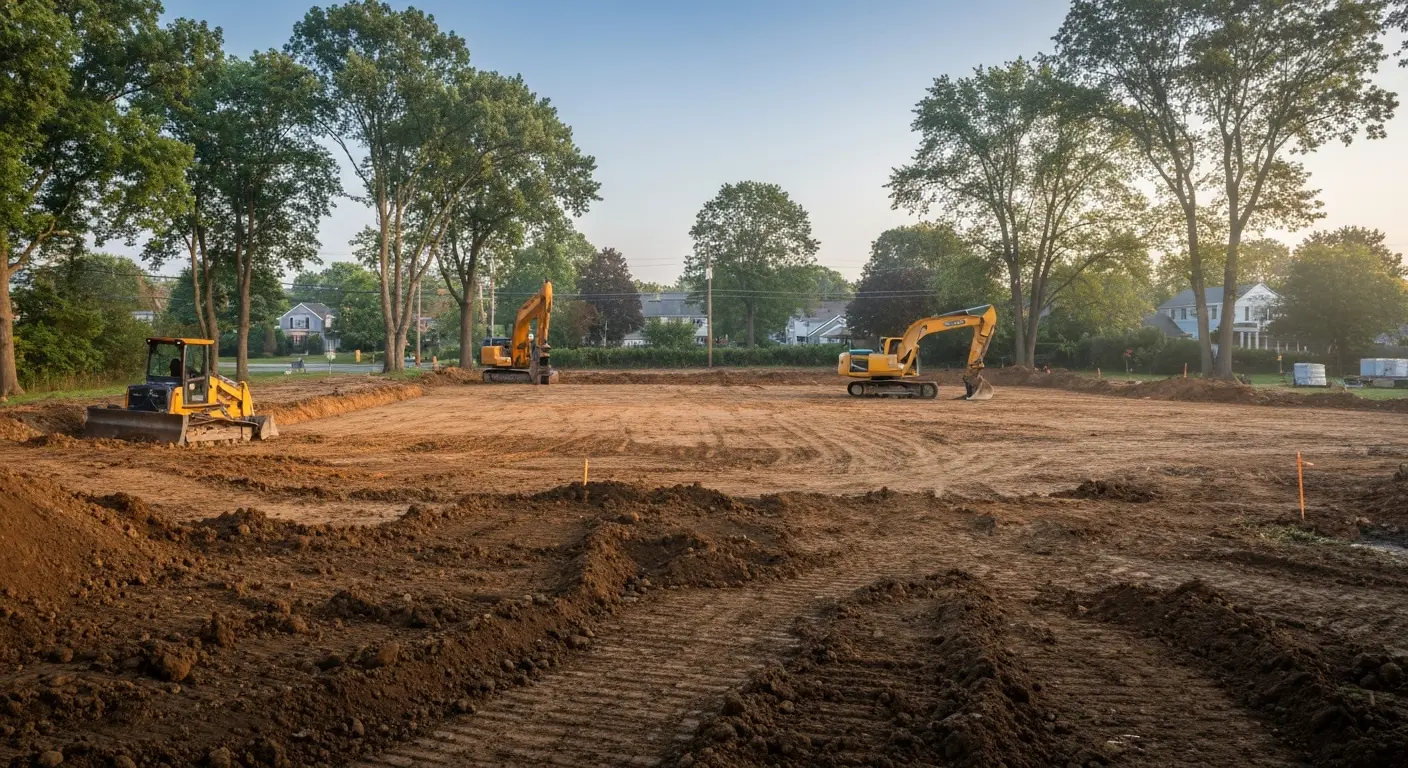
Site excavation and land preparation in Little Falls area
From small residential site clearing to larger land development, professional excavation shapes the foundation of any hardscape or building project. Operators understand Little Falls soils—clay, silt, and occasionally rocky sub-base—and adjust equipment and techniques accordingly.
Brush removal, stump grinding, and topsoil stockpiling are common tasks. Many projects near Crane Meadows and other sensitive areas require environmental awareness and proper material handling.
Why Local Expertise Matters
Experience with Minnesota's climate, soil, and regulations
Freeze-Thaw & Spring Thaw Challenges
Little Falls experiences severe freeze-thaw cycles. Winter cold penetrates soil; spring warmth melts ice and raises groundwater. Contractors familiar with this pattern know how deep to dig, how to compact base layers, and how to slope surfaces so water doesn't refreeze and crack pavers or push retaining walls.
Proper material selection and installation prevent common Minnesota hardscape failures: paver settlement, concrete spalling, and frost heave.
River Valley Soils & Drainage
The Mississippi River valley in Little Falls contains clay and silt soils. These retain water. Contractors who understand local soil profiles design drainage systems that work—not just on paper, but for homes and yards that see real seasonal flooding risk. This knowledge prevents costly repairs.
Permit & Code Familiarity
Local contractors know Little Falls Building Department staff, building code nuances, and inspection priorities. This familiarity accelerates permitting and reduces the risk of rework. Questions about setbacks, slope limits, or drainage requirements get clear, fast answers.
Coverage Area
Serving Little Falls and nearby neighborhoods
Neighborhoods & Areas We Serve
Little Falls proper—downtown near Broadway and the Mississippi, residential streets with early 20th-century homes, and newer subdivisions. Projects near Lindbergh State Park often require sensitivity to historic land. Pine Grove Zoo area on the west side, with its 70-acre park and surrounding neighborhoods, sees steady hardscape demand. Bell Prairie and areas near Crane Meadows National Wildlife Refuge often involve environmental permits.
North of town toward Camp Ripley and south toward St. Cloud, contractors serve an expanding service radius. Highway 10, 27, and 371 provide easy access to job sites across Morrison County.
Getting to Us
Little Falls is located at the geographic center of Minnesota, on the banks of the Mississippi River. The city sits 33 miles north of St. Cloud and 31 miles south of Brainerd. U.S. Highway 10 and Minnesota State Highways 27 and 371 are three of the main routes in the city. Most sites are accessible by standard work vehicles and equipment. Downtown properties require attention to narrow streets; river-valley properties may have limited road width during thaw season.
For commercial or multi-lot projects, contractors typically scout access routes and staging areas beforehand to minimize disruption.
Ready to start your hardscape or excavation project? Reach out to a local landscaper or excavating contractor in Little Falls to discuss your vision.
Frequently Asked Questions
Do I need a permit for a paver patio in Little Falls?
Most residential patios under 150 square feet are permitted through zoning review only, but drainage systems, any retaining walls, or site grading often require building permits. Your contractor handles the paperwork and communicates with Little Falls Building Department to confirm your specific project's requirements.
Why is drainage so critical in Little Falls?
Little Falls sits in a river valley with clay and silt soils that hold water. Spring snowmelt and heavy rains test drainage systems every year. Without correct slope and subsurface solutions, water pools against foundations, causing frost heave, basement leaks, and paver settlement. Local contractors design drainage systems that survive Minnesota's wet seasons.
What materials work best for retaining walls in Minnesota?
Concrete block, natural stone, and segmental pavers are freeze-thaw resistant and durable in Little Falls' climate. Material choice depends on site conditions, wall height, and design. Contractors typically recommend materials rated for Minnesota's moisture and temperature swings and specify proper compaction and drainage behind the wall.
Can you remove stumps and clear land on my Little Falls property?
Yes. Land clearing, brush removal, stump grinding, and topsoil management are standard excavation services. Contractors use appropriate equipment for your site size and complexity, and they manage debris responsibly—important for properties near Crane Meadows or other protected areas.
What about paver maintenance and repairs?
Pavers in Little Falls benefit from annual sealing and periodic joint re-sanding to prevent weed growth and frost damage. A few pavers can be replaced without major disruption. Contractors offer maintenance plans and repair services to keep your hardscape looking new and performing well.
Are there environmental concerns for projects near the river or Crane Meadows?
Projects near water or protected wetlands may require additional permits or environmental review. Contractors familiar with Morrison County and Little Falls know which sites trigger these requirements. Early planning prevents delays and ensures compliance with both state and local environmental rules.
DISCOVER WHAT OUR CUSTOMERS HAVE TO SAY ABOUT US
REVIEWS
proudly serving these areas
Brainerd, MN
Baxter, MN
Nisswa, MN
Pequot Lakes, MN
Crosslake, MN
Merrifield, MN
Walker, MN
Little Falls, MN
READY TO take the next step?
get a free quote TODAY!

QUICK LINKS
our services
service areas
operating HOURS
Mon: 7:00 am - 6:00 pm
Tue: 7:00 am - 6:00 pm
Wed: 7:00 am - 6:00 pm
Thu: 7:00 am - 6:00 pm
Fri: 7:00 am - 6:00 pm
Sat: 8:00 am - 12:00 pm
Sun: Closed - Closed